The Global Demand for Renewable Energy Is Rising
Across the world, industries and power producers are accelerating the transition toward clean and renewable energy sources. Governments are setting ambitious carbon reduction targets while companies increasingly seek sustainable alternatives to fossil fuels.
One of the most promising solutions gaining global momentum is biomass energy.
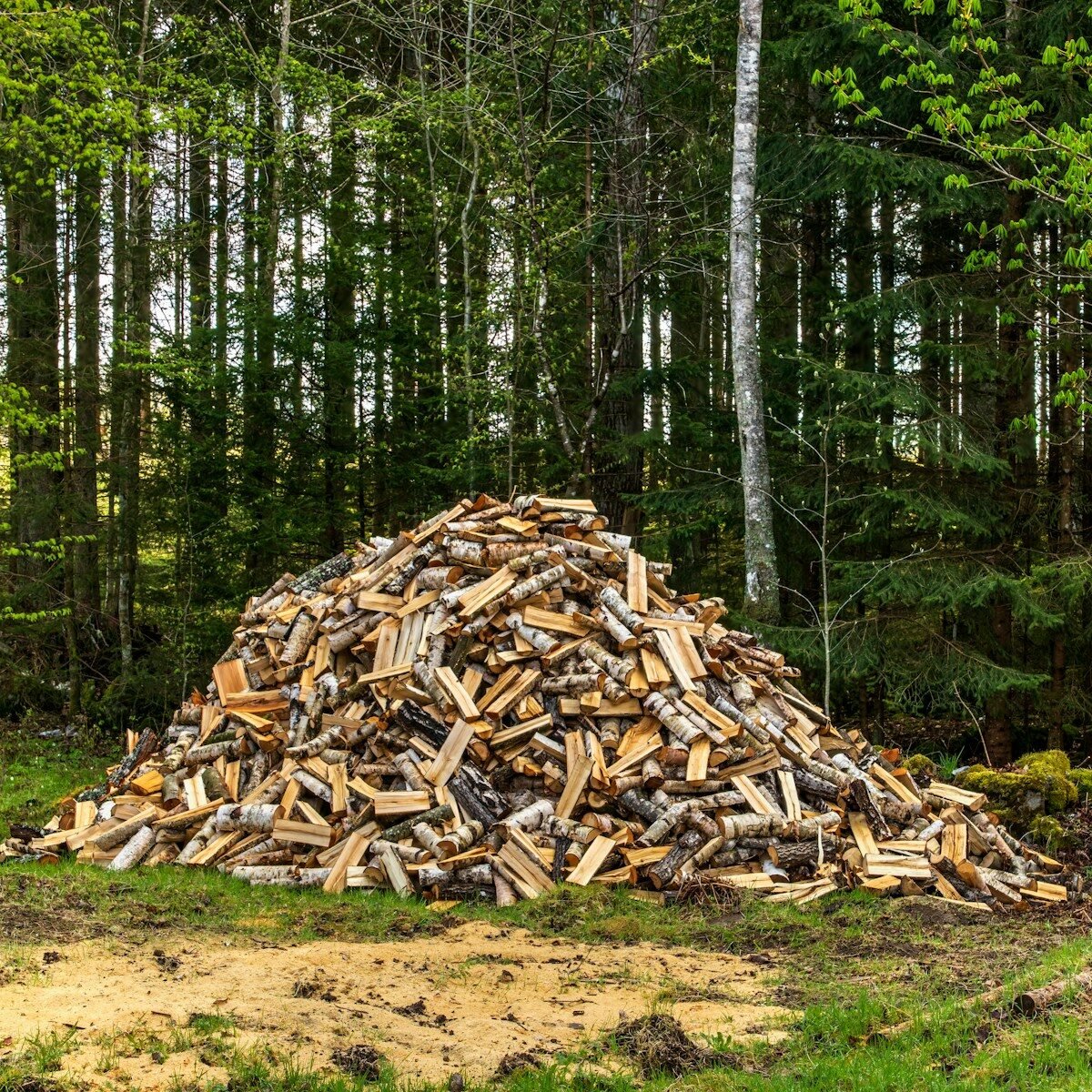
Biomass converts organic materials such as agricultural residues, forestry waste, and wood processing by-products into renewable fuel. These resources, which might otherwise become waste, can instead be transformed into valuable energy sources.
Countries such as Japan, South Korea, and several European nations have significantly increased the use of biomass fuel in power generation, particularly through biomass power plants and coal power plant co-firing.
With its abundant forestry resources and strong wood processing industry, Indonesia is emerging as an important supplier of biomass energy to global markets.
Renewable Energy Policy and Mandate in Indonesia (2025–2026)
Indonesia has set clear national targets to accelerate the transition toward renewable energy.
Under the National Energy Policy (Kebijakan Energi Nasional / KEN), the Indonesian government aims for renewable energy to reach 23% of the national energy mix by 2025, with a long-term target of 31% by 2030.
To achieve this target, the government has implemented several policies and programs designed to expand renewable energy development across the country.
Biomass Co-Firing in Coal Power Plants
One of the most important programs is the biomass co-firing initiative, which integrates biomass fuel such as wood pellets into existing coal-fired power plants.
The Indonesian government, through the Ministry of Energy and Mineral Resources (MEMR) and the state utility PLN, has initiated biomass co-firing programs in more than 100 coal power plants across the country.
In this system, biomass can replace 5–10% of coal fuel, depending on the boiler technology, reducing emissions while allowing existing power plants to continue operating efficiently.
This program plays a significant role in helping Indonesia:
- Reduce coal consumption
- Lower carbon emissions from electricity generation
- Create new markets for biomass fuel suppliers
The expansion of biomass co-firing is expected to significantly increase domestic demand for biomass pellets and other biomass fuels.
National Energy Transition Roadmap
In 2025, Indonesia further strengthened its energy transition commitment through MEMR Regulation No.10/2025, which outlines a roadmap to reduce greenhouse gas emissions and increase renewable energy deployment in the electricity sector.
The roadmap aligns with Indonesia’s broader climate strategy and supports the national target of achieving net-zero emissions in the electricity sector by 2050.
These policies demonstrate the government’s commitment to building a more sustainable, diversified, and resilient energy system.
Why Biomass Is an Ideal Energy Solution
Biomass energy offers a practical pathway for reducing carbon emissions while maintaining reliable energy production.
Unlike intermittent renewable energy sources such as solar or wind, biomass can provide stable and controllable power generation, making it suitable for industrial energy systems and base-load electricity production.
Among various biomass fuels, wood pellets have become one of the most widely adopted energy solutions worldwide.
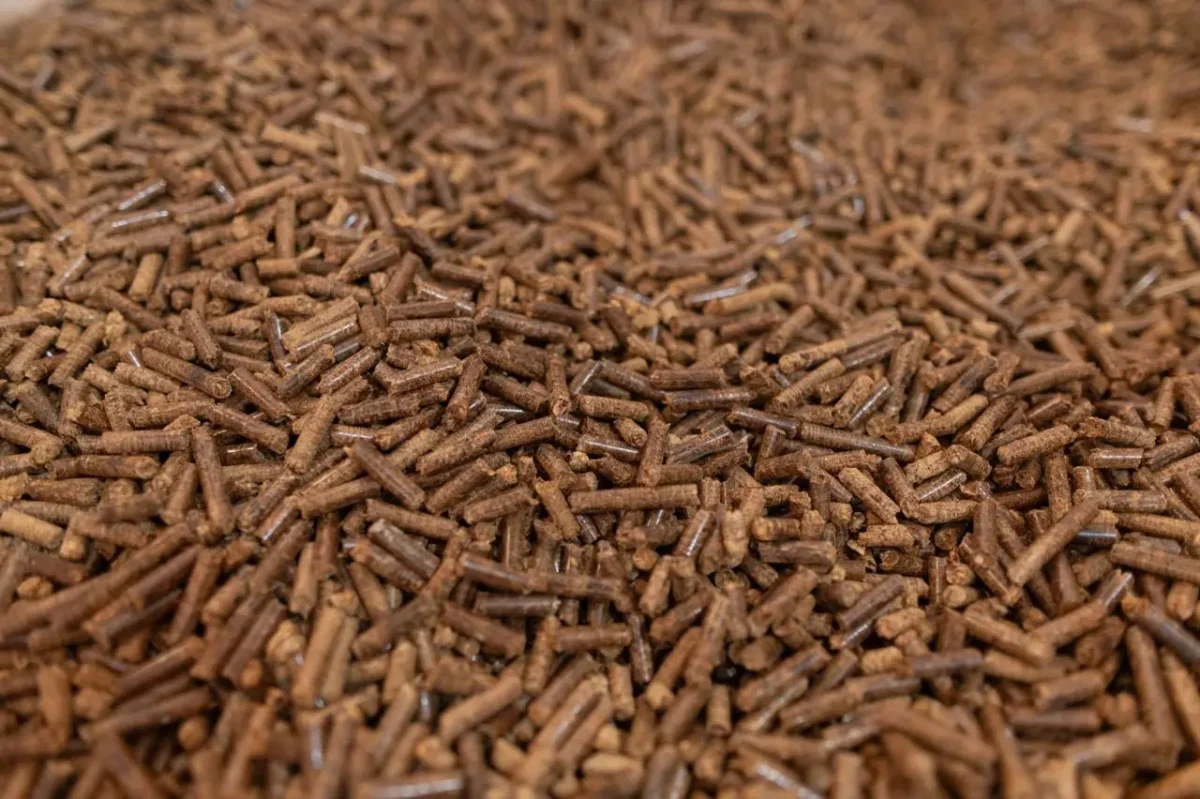
Wood pellets are produced by compressing wood residues such as sawdust into small cylindrical pellets with high energy density and uniform quality.
Key advantages include:
- Renewable and Sustainable Energy Source
Wood pellets are produced from forestry residues and wood processing by-products that would otherwise become waste.
- Lower Carbon Emissions Compared to Coal
When sustainably sourced, biomass contributes to a lower-carbon energy cycle and helps reduce greenhouse gas emissions.
- High Energy Density and Efficient Combustion
Wood pellets offer consistent heat output and efficient combustion, making them suitable for biomass power plants and industrial boilers.
- Efficient Storage and Transportation
Due to their standardized size and density, wood pellets are easier to store, transport, and handle compared to raw biomass materials.
- Increasing Global Market Demand
Energy markets in Asia and Europe are increasingly turning to biomass fuels as part of their long-term decarbonization strategies.
These advantages position wood pellets as a key fuel in the global transition toward cleaner energy systems.
PT Santomo Biomass Indonesia: Supporting the Energy Transition
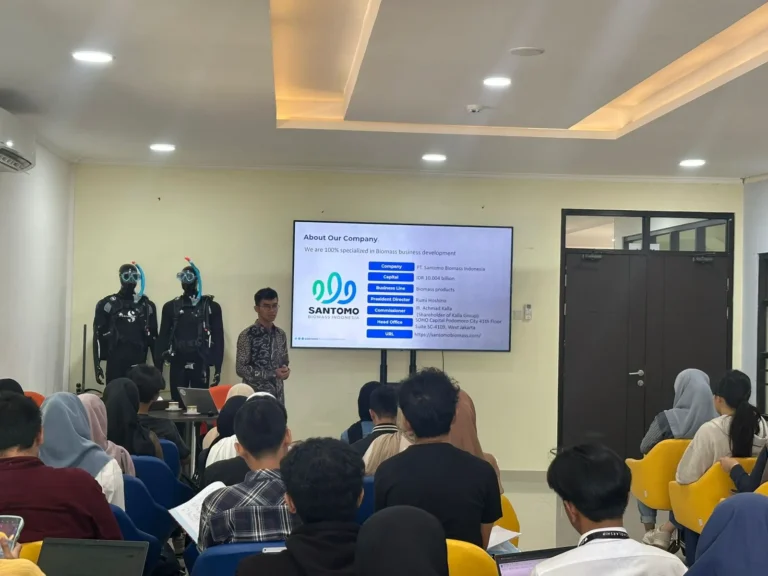
To support the growing demand for renewable biomass energy, PT Santomo Biomass Indonesia has developed a wood pellet production facility located in East Java, Indonesia.
The company focuses on producing high-quality biomass fuel that meets international standards while utilizing Indonesia’s forestry resources responsibly.
The Santomo Biomass wood pellet facility is strategically positioned to serve both domestic and international biomass markets.
Key strengths include:
Strategic Location in East Java
The facility benefits from proximity to industrial infrastructure and export logistics, enabling efficient supply to global biomass markets.
Sustainable Raw Material Supply
PT Santomo Biomass Indonesia utilizes wood residues and forestry by-products from Indonesia’s wood processing sector, supporting resource efficiency and waste reduction.
Consistent Product Quality
The production process is designed to maintain reliable calorific value, controlled moisture levels, and consistent pellet density.
Supporting Indonesia’s Renewable Energy Goals
By supplying biomass fuel, PT Santomo Biomass Indonesia contributes to Indonesia’s efforts to expand renewable energy and reduce dependence on fossil fuels.
Contact PT Santomo Biomass Indonesia
Email: sales@santomobiomass.com