
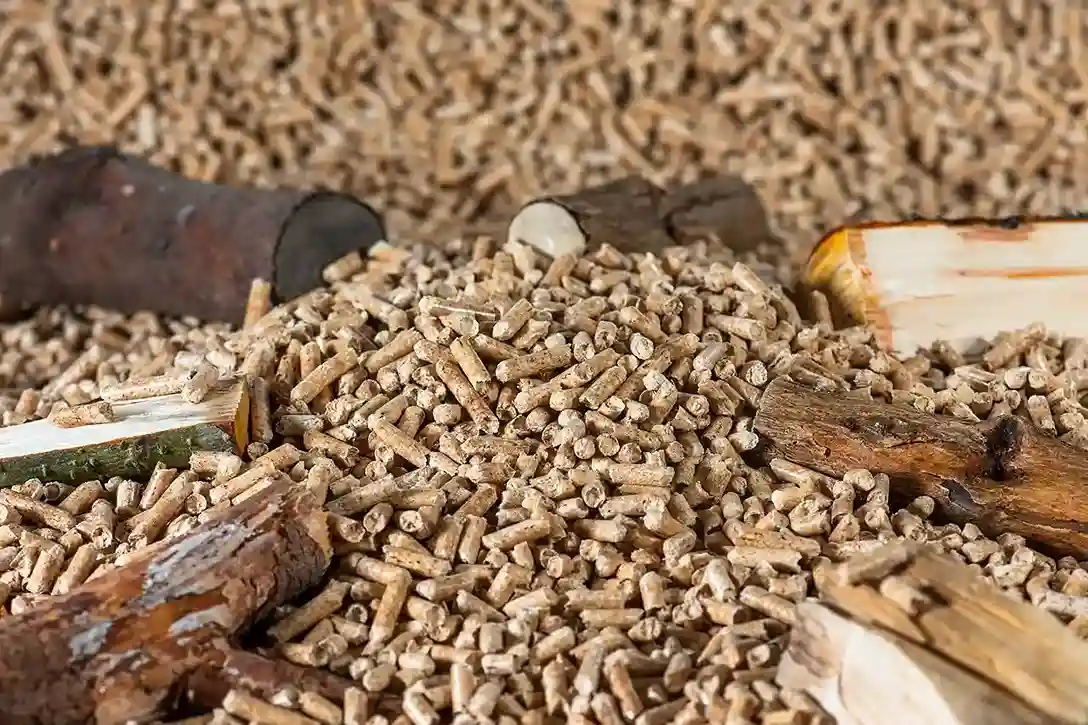

As global industries advance toward decarbonization and sustainable energy, wood pellets have emerged as one of the most important renewable biofuels in international markets. This transition is driven by the demand for cleaner, stable, and cost-efficient fuel alternatives that reduce environmental impact without compromising industrial performance. In this landscape, wood pellet Indonesia has gained significant visibility.
The Global Shift Toward Renewable Biomass and Wood Pellets
Across the world, governments, industries, and energy providers are shifting away from fossil fuels to renewable and sustainable alternatives. Climate commitments, carbon reduction strategies, and rising environmental awareness have transformed the energy sector. Wood pellet Indonesia—densified biomass fuel made from sawdust, wood shavings, and forestry residues—has become one of the leading renewable fuels in this transition.
Global consumption of wood pellets has grown exponentially over the last decade. Countries such as Japan, South Korea, the United Kingdom, Denmark, Germany, and the Netherlands rely heavily on wood pellet Indonesia for power generation, industrial heating, and commercial applications. In fact, many large-scale power plants have converted partially or entirely to biomass, using wood pellets as a cleaner replacement for coal.
Wood pellets gained worldwide attention for several key reasons:
- They produce significantly lower CO₂ emissions than fossil fuels.
- They offer consistent calorific value and moisture content.
- They burn cleanly, with minimal ash residue.
- They are easy to store, transport, and handle compared to other biomass.
- They can be integrated into existing industrial boiler systems with minimal modification.
The global wood pellet Indonesia market is now valued in the billions, with demand continuing to rise each year. This growth presents vast opportunities for emerging markets like Indonesia, where abundant biomass resources support large-scale production. As major buyers increasingly prioritize certified and sustainable biomass sources, Wood Pellet Santomo Biomass Indonesia is becoming a prominent supplier for both domestic and international needs.
The Global Uses and Benefits of Wood Pellets
To understand the full potential of wood pellet Indonesia, it is essential to explore how the world uses wood pellets across different sectors. Global applications demonstrate the versatility, efficiency, and reliability of this renewable energy source.
1. Power Generation and Co-Firing
One of the largest global uses of wood pellet Indonesia is in power plants. In Europe, Japan, and South Korea, wood pellets serve as a primary fuel for biomass power stations or as a co-firing material blended with coal. This practice dramatically lowers emissions and allows power companies to meet strict environmental regulations.
Major advantages for power generators include:
- High and stable calorific value
- Low ash content, reducing operational maintenance
- Easy integration with existing coal-handling systems
- Compliance with international sustainability standards
Countries such as the UK rely heavily on wood pellets to achieve national renewable energy targets.
2. Industrial Boilers and Steam Generation
Industrial sectors worldwide use wood pellet Indonesia to generate heat and steam needed for manufacturing processes. Industries with high thermal energy requirements have adopted pellets to reduce fuel costs and improve environmental performance.
Industries globally using wood pellets include textile factories, food and beverage processing plants, pharmaceutical and chemical industries, pulp and paper mills, furniture and wood-based industries, agricultural product processors. These industries value wood pellets for their stable combustion, predictable heat output, and cost efficiency.
3. District Heating and Commercial Use
In regions with colder climates, wood pellet Indonesia power district heating systems that supply warmth to residential and commercial buildings. Hotels, restaurants, greenhouses, laundries, and warehouses around the world use pellet-based heating for their reliability and low emissions.
Wood pellets also replace LPG or diesel in many commercial burner systems due to lower long-term operating costs.
4. Residential Heating and Cooking
In Europe and North America, millions of households rely on wood pellets for domestic heating. Pellet stoves and boilers are popular for their convenience:
- Easy ignition
- Minimal smoke
- High energy efficiency
- Clean handling
Some countries promote household pellet heating through government subsidies and renewable energy incentives.
5. Animal Bedding and Agricultural Applications
Beyond energy, wood pellet Indonesia are widely used as livestock bedding—particularly for horses and poultry—because of their superior absorbency, low dust levels, and hygiene benefits.
6. Export Commodity and Renewable Energy Trade
Countries like Canada, the U.S., Vietnam, and Indonesia export wood pellet Indonesia on a massive scale to meet international demand. These exports support global renewable energy initiatives and stimulate local economies.
The Growing Role of Wood Pellets in Indonesia
Indonesia’s abundant forestry resources, agricultural by-products, and biomass potential place the nation in a strong position to adopt and supply wood pellets. Supported by companies like Wood Pellet Santomo Biomass Indonesia, the domestic market for wood pellets is expanding rapidly.
Below are the key growth areas for wood pellet usage in Indonesia:
1. Industrial Heating and Boiler Systems
More Indonesian industries are transitioning from coal and diesel to wood pellets due to rising energy costs and environmental regulations. Wood pellets deliver consistent heat, reduce maintenance needs, and improve air quality—making them ideal for Textile manufacturers, food processing companies, chemical plants, pharmaceutical industries, paper and pulp mills, furniture and woodworking factories. Companies benefit not only from reduced fuel expenses but also from improved sustainability certifications and compliance with ESG requirements.
2. Commercial Applications
Hotels, restaurants, commercial kitchens, and laundry facilities in Indonesia increasingly adopt pellet burners to reduce operational costs and carbon footprints. Wood pellets burn cleanly and offer a stable heat source ideal for continuous-use systems.
3. Household Use and Clean Cooking Initiatives
In rural and suburban areas, wood pellets are gaining popularity for household use due to their low smoke output and ease of storage. Pellets support clean-cooking programs, providing a more sustainable alternative to firewood or charcoal.
4. Renewable Energy and National Decarbonization Programs
Indonesia’s commitment to renewable energy under national regulations has increased interest in biomass. Co-firing programs at PLN coal power plants demonstrate the country’s movement toward adopting wood pellets for electricity generation.
5. Export Opportunity to Asia and Beyond
As Japan and South Korea seek stable long-term biomass suppliers, Indonesia is strategically positioned as a major exporter. Demand from Europe and Southeast Asia further strengthens Indonesia’s role in the global biomass supply chain. High-quality Indonesian pellets are gaining recognition for competitive pricing, reliable supply, sustainable sourcing, and strong calorific value. With the right certification and consistency, Indonesia is expected to become one of the world’s leading biomass exporters.
Choosing the right energy source is an important step for companies aiming to improve efficiency while moving toward more sustainable operations. By reviewing the various fuel alternatives available today, you can determine which option aligns best with your operational needs, long-term goals, and overall business direction.
If you find that adopting modern biomass such as wood pellets can support a more stable and environmentally responsible energy strategy, Wood Pellet Santomo Biomass Indonesia may be a solution worth considering. With consistent production processes and carefully selected raw materials, our wood pellets are developed to meet the standards required by a wide range of industries in Indonesia.
Using a cleaner and more efficient fuel source can contribute not only to lowering emissions but also to creating smoother and more reliable operations in the long run. This allows your team to focus on more strategic tasks that drive business growth.
If you would like to learn more about specifications, availability, or how wood pellets can be integrated into your operations, we invite you to visit our official website here