As the world moves toward cleaner and more sustainable energy, renewable fuels are becoming more important. One of the renewable fuels that is gaining attention is wood pellets.
Wood pellets are made from wood materials and can be used as an alternative to fossil fuels such as coal. Indonesia has strong potential in the wood pellet industry because of its wood-processing sector and available biomass resources.
For PT Santomo Biomass Indonesia, wood pellets are not only a renewable fuel product but also part of our commitment to developing more sustainable biomass solutions.
What Are Wood Pellets?
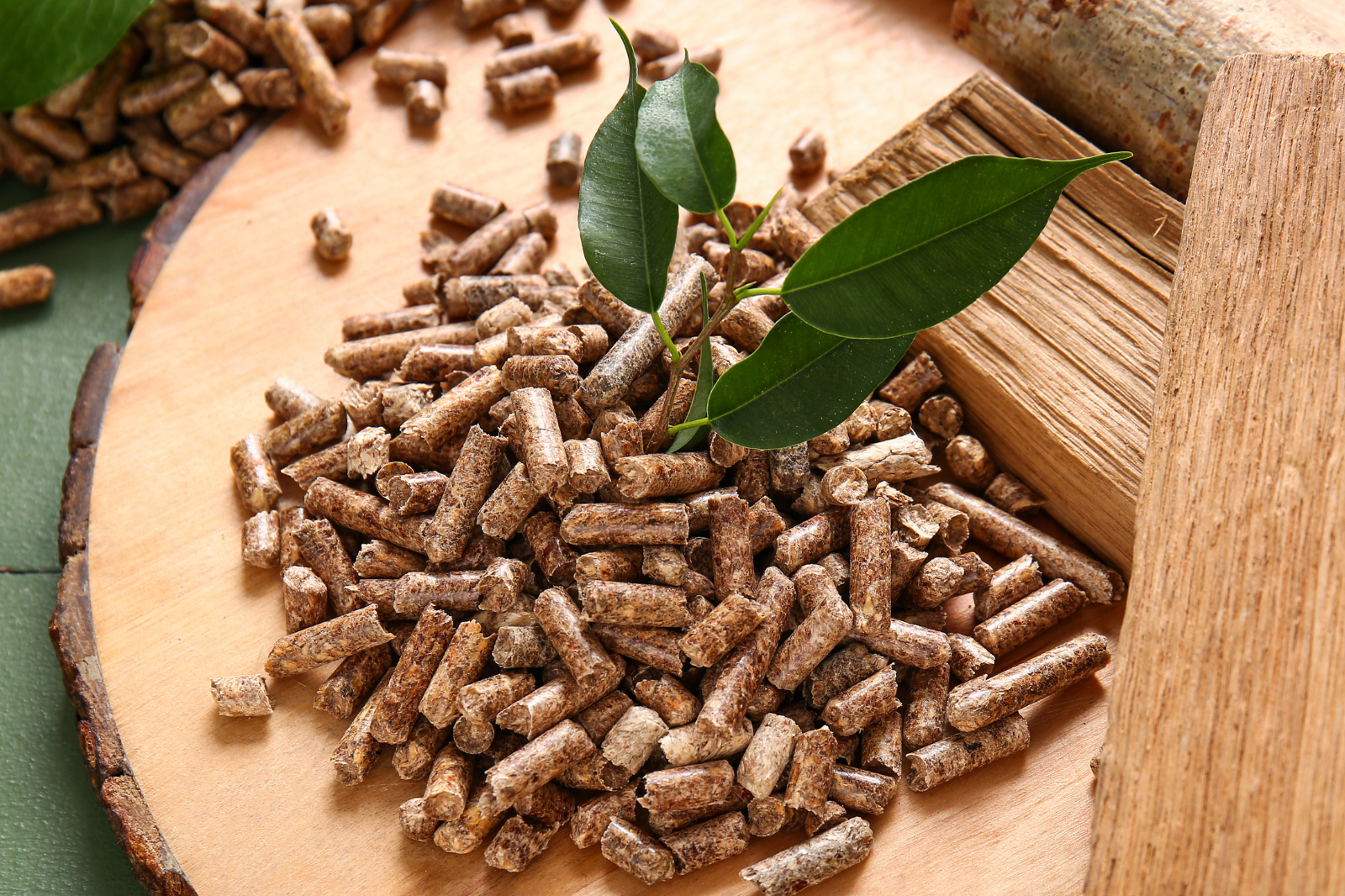
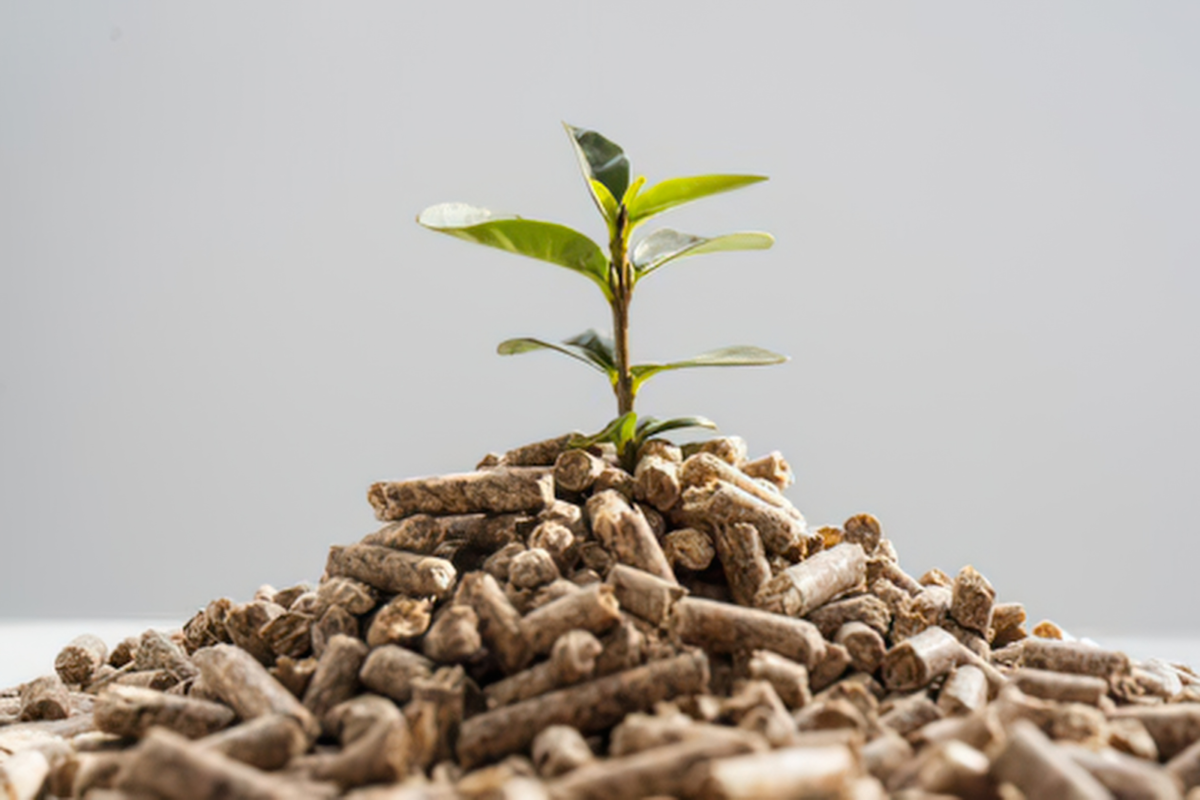
Wood pellets are a type of solid biomass fuel made by compressing wood materials into small cylindrical pellets.
They can be produced from materials such as:
- Sawdust
- Wood chips
- Wood shavings
- Other suitable wood residues
The materials are processed, dried, and compressed to produce a fuel with a consistent size and shape.
Because they are compact and easy to handle, wood pellets can be used for industrial boilers, heating systems, and biomass power generation.
1. Reducing Dependence on Fossil Fuels
One of the main environmental benefits of wood pellets is their potential to replace fossil fuels.
Coal, oil, and natural gas are non-renewable resources. Their use also releases fossil carbon into the atmosphere.
Wood pellets provide a renewable alternative for some industrial energy applications. By replacing part of their fossil fuel consumption with biomass, industries can support their transition toward cleaner energy.
The actual environmental benefit depends on how the biomass is sourced, produced, transported, and used.
2. Making Use of Wood Residues
Wood pellet production can help turn wood-processing residues into useful energy.
Materials such as sawdust and wood chips can be used as raw materials for making pellets instead of being treated as waste.
The process can be simply explained as:
Wood Processing → Wood Residues → Wood Pellets → Renewable Energy
This helps improve the use of available resources and supports a more circular economy.
3. Supporting a Circular Bioeconomy
A circular economy focuses on using resources efficiently and reducing waste.
Wood pellets can support this idea by giving wood residues a second purpose as an energy source.
Instead of allowing suitable wood residues to become unused materials, they can be processed into biomass fuel for industrial applications.
This creates value across several sectors, including:
- Forestry
- Wood processing
- Biomass production
- Transportation
- Renewable energy
For Indonesia, this creates an opportunity to make better use of existing biomass resources while supporting the development of the renewable energy industry.
4. Potentially Lowering Carbon Emissions
Wood pellets can contribute to lower-carbon energy systems when they are responsibly sourced and produced.
Trees absorb carbon dioxide as they grow. When wood biomass is used for energy, the carbon released during combustion is part of the biological carbon cycle.
However, wood pellets should not automatically be considered carbon-neutral.
Their overall environmental impact depends on the complete supply chain, including:
- Where the wood comes from
- How it is harvested
- How the pellets are produced
- Energy used during production
- Transportation
- Final energy use
For this reason, responsible sourcing and efficient production are important parts of sustainable wood pellet production.
5. Easy to Store and Transport
Wood pellets have a compact and standardized form, making them easier to store and transport than loose biomass.
Their characteristics can provide several advantages:
- Easy handling
- Efficient storage
- Automated feeding
- Consistent fuel characteristics
- Convenient transportation
These advantages make wood pellets suitable for both domestic and international biomass markets.
For international buyers, efficient transportation and reliable logistics are also important when selecting an Indonesian wood pellet supplier.
6. Supporting Sustainable Forestry
The environmental benefits of wood pellets depend greatly on responsible sourcing.
Wood used for biomass should come from legal, traceable, and responsibly managed sources. Biomass production should also avoid unnecessary damage to forests and important ecosystems.
For customers in international markets, sustainability certification can help demonstrate responsible sourcing and supply chain management.
Depending on the market and customer requirements, certifications such as FSC, ISCC, and GGL can be important considerations when purchasing sustainable biomass fuel.
7. Supporting Indonesia’s Renewable Energy Potential
Indonesia has significant potential in renewable energy, including biomass.
Wood pellets can be part of this potential because they provide a renewable fuel that can be stored and used when energy is needed.
This is especially useful for industries that require continuous heat, such as:
- Manufacturing
- Food processing
- Textile production
- Industrial boilers
- Biomass power generation
With responsible development, Indonesian wood pellets can support both Indonesia’s renewable energy sector and the growing international demand for biomass fuel.
8. Creating Value from Indonesia’s Biomass Resources
The development of the wood pellet industry can create value beyond renewable energy.
A strong biomass supply chain can support activities such as:
- Wood residue collection
- Pellet manufacturing
- Quality control
- Transportation
- Port and export activities
- Renewable energy operations
This creates an opportunity for Indonesia to develop its biomass resources while supporting a more sustainable and resource-efficient economy.
Choosing a Sustainable Wood Pellet Supplier
When choosing a wood pellet supplier in Indonesia, customers should look beyond price.
Important factors include:
Feedstock Source
A reliable supplier should be able to explain where the raw materials come from and provide appropriate traceability.
Supply Capacity
For industrial customers, stable supply is important. The supplier should have sufficient production capacity to meet the required volume.
Sustainability
Responsible sourcing and relevant sustainability certifications can help customers meet their own environmental and regulatory requirements.
Logistics
For export customers, reliable transportation, documentation, port handling, and shipping arrangements are also important.
PT Santomo Biomass Indonesia
PT Santomo Biomass Indonesia is an Indonesian company focused on biomass and renewable energy.
Our wood pellet business aims to connect Indonesia’s biomass resources with customers looking for reliable renewable fuel for industrial applications.
We believe that sustainable biomass is not only about producing wood pellets. It is also about responsible sourcing, consistent quality, reliable supply, and efficient use of resources.
Our approach focuses on:
Quality
Providing consistent wood pellet quality for industrial applications.
Responsible Sourcing
Supporting the use of legal, traceable, and responsibly sourced biomass materials.
Reliable Supply
Developing a stable supply chain to support the needs of industrial customers.
International Markets
Connecting Indonesian biomass resources with customers in international renewable energy markets.
The Future of Indonesian Wood Pellets
The transition toward cleaner energy will require different renewable energy solutions.
Solar, wind, geothermal, hydropower, and biomass can each play different roles in the energy transition.
Wood pellets have an advantage for certain applications because they can be stored, transported, and used when needed.
For Indonesia, this creates an opportunity to develop a stronger and more sustainable wood pellet industry.
However, long-term growth will depend on responsible sourcing, sustainable forestry, efficient production, consistent quality, and reliable supply.
Conclusion
Indonesian wood pellets can provide important environmental benefits when they are responsibly sourced and produced.
They can help industries reduce their dependence on fossil fuels, make better use of wood residues, support renewable energy, and contribute to a more circular economy.
At PT Santomo Biomass Indonesia, we believe that responsible biomass development can contribute to a more sustainable energy future.
By utilizing Indonesia’s biomass resources responsibly, we aim to provide quality wood pellets for industrial customers in Indonesia and international markets.
The future of biomass is not simply about producing more wood pellets. It is about producing them responsibly, efficiently, and sustainably.